
Property Guide
Guide
An independent engineering review protects your investments. Learn why property inspection is essential, what elements are checked, the tools we use, and our systematic client journey.
GuideAn independent engineering review protects your investments. Learn why property inspection is essential, what elements are checked, the tools we use, and our systematic client journey.
A property might look brand new or in excellent condition on the surface. However, beneath paint layers and tiles, there could be structural, mechanical, or plumbing deficiencies that can cause severe problems and costly repairs later.
Independent visual and equipment-based analysis ensures transparency, helping you buy, receive, or maintain properties with complete confidence.
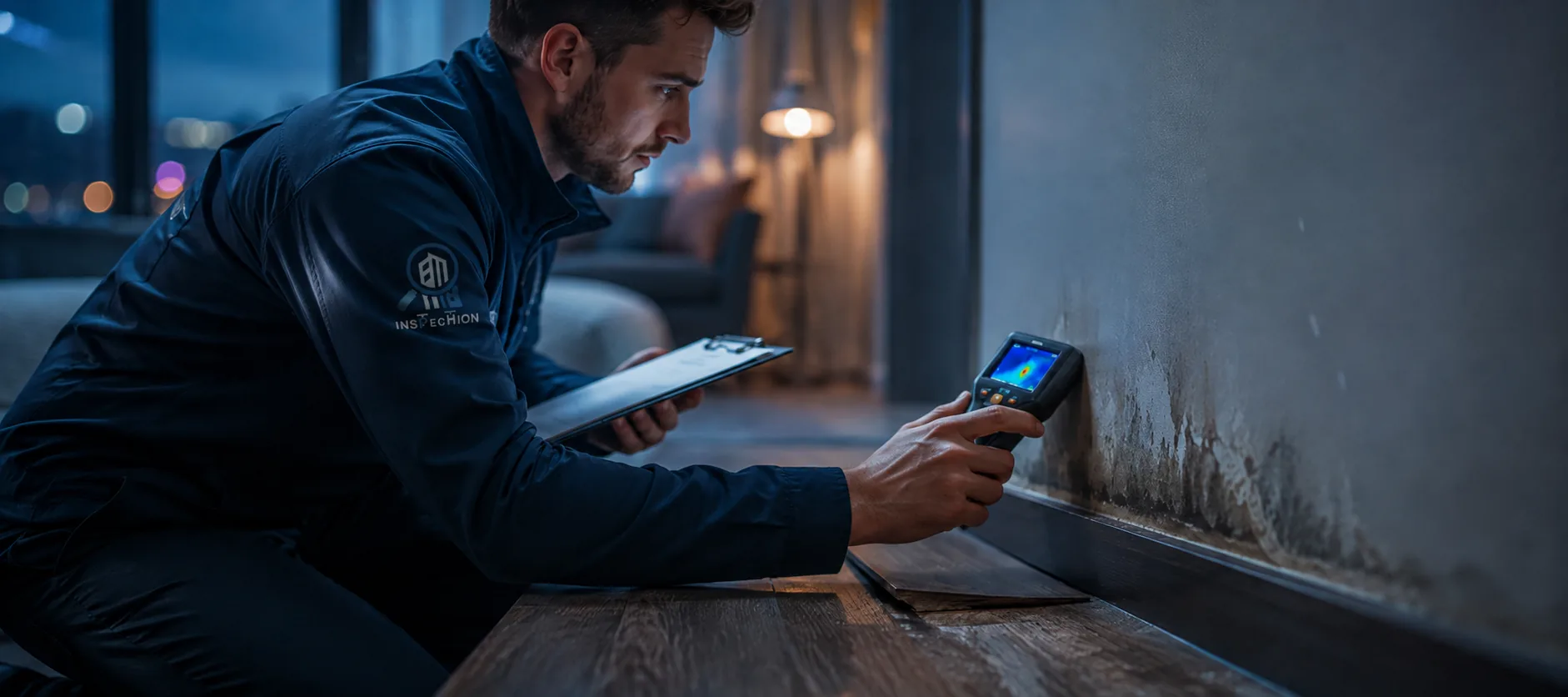
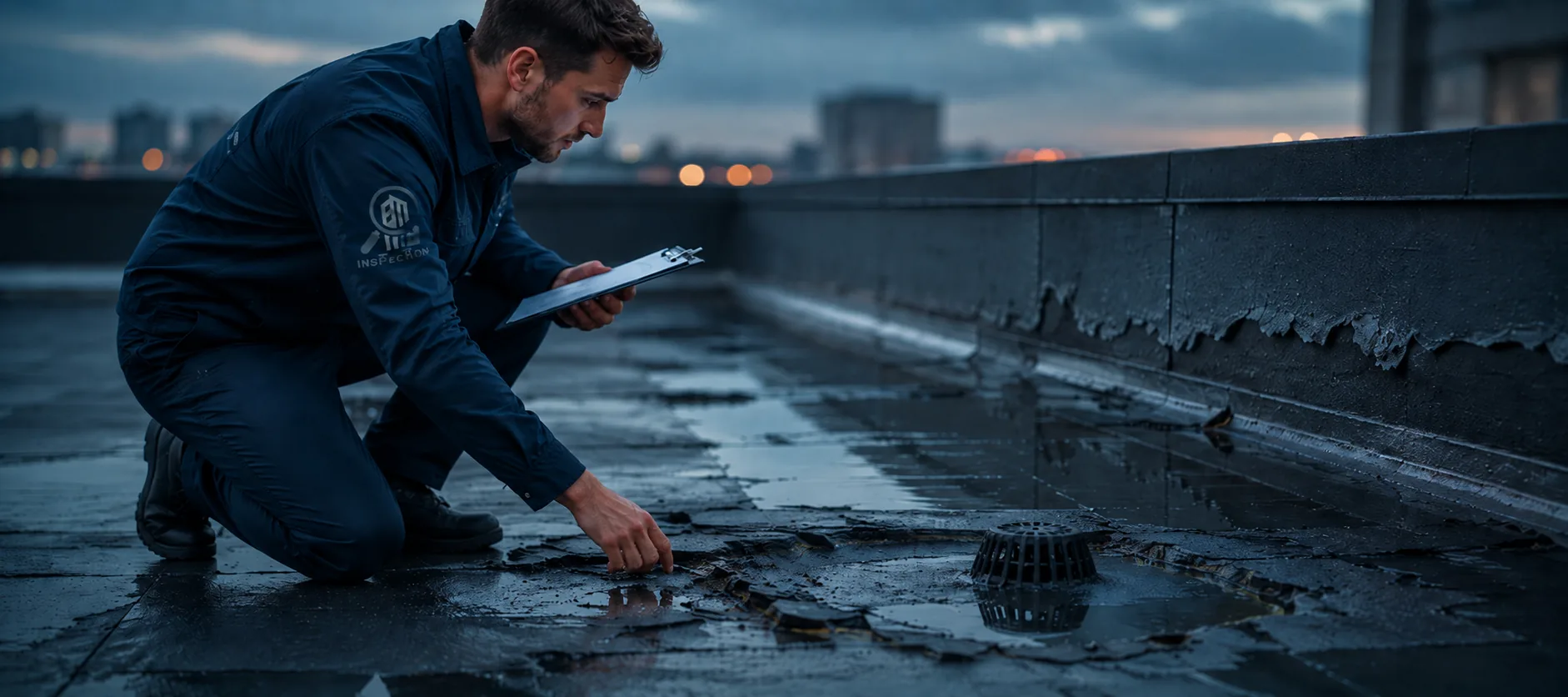
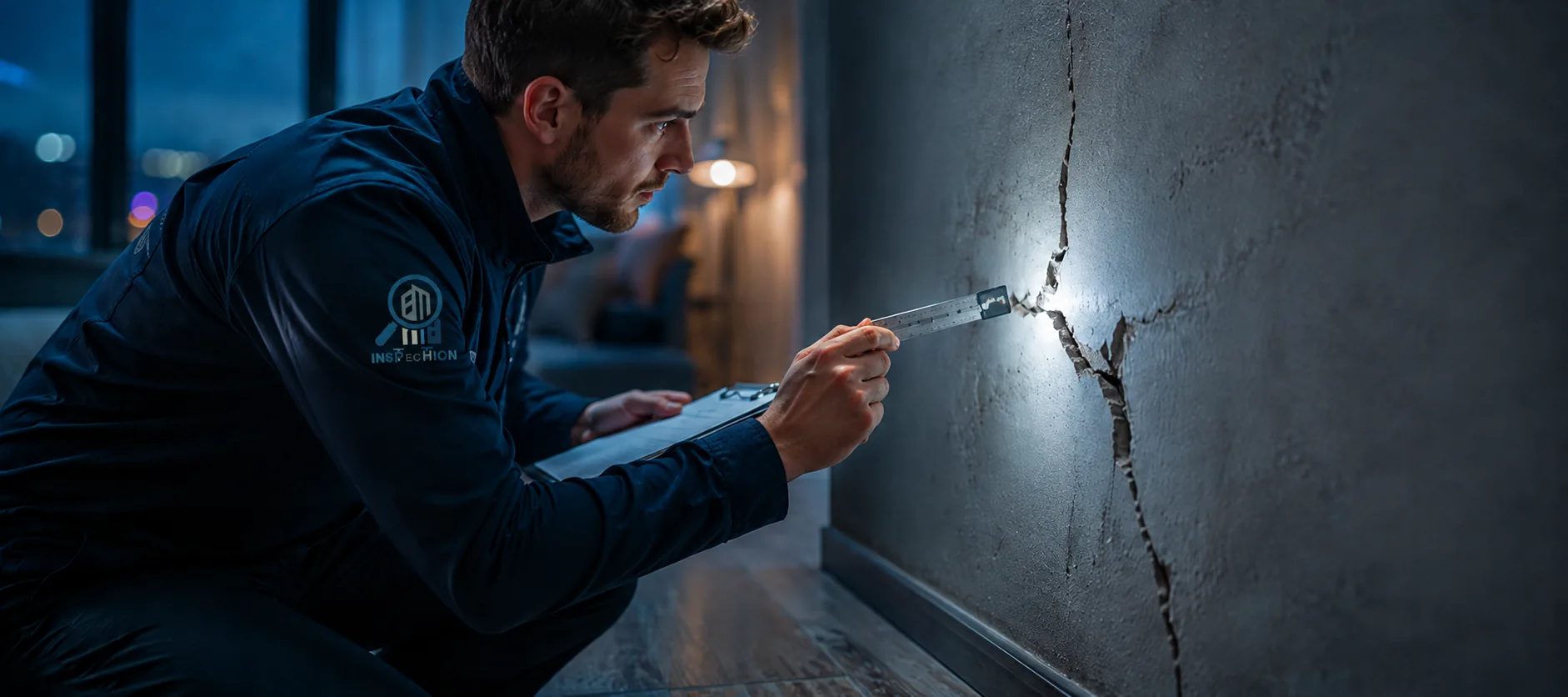
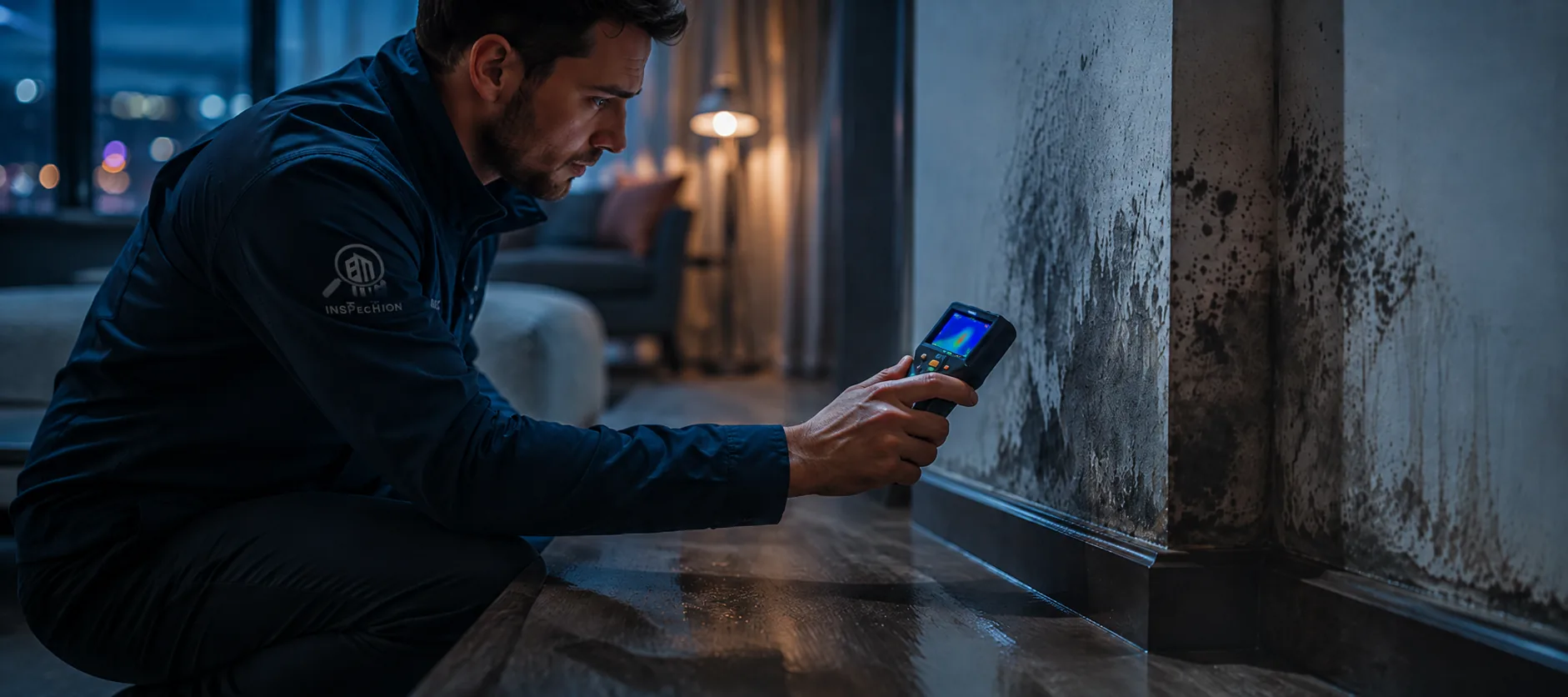
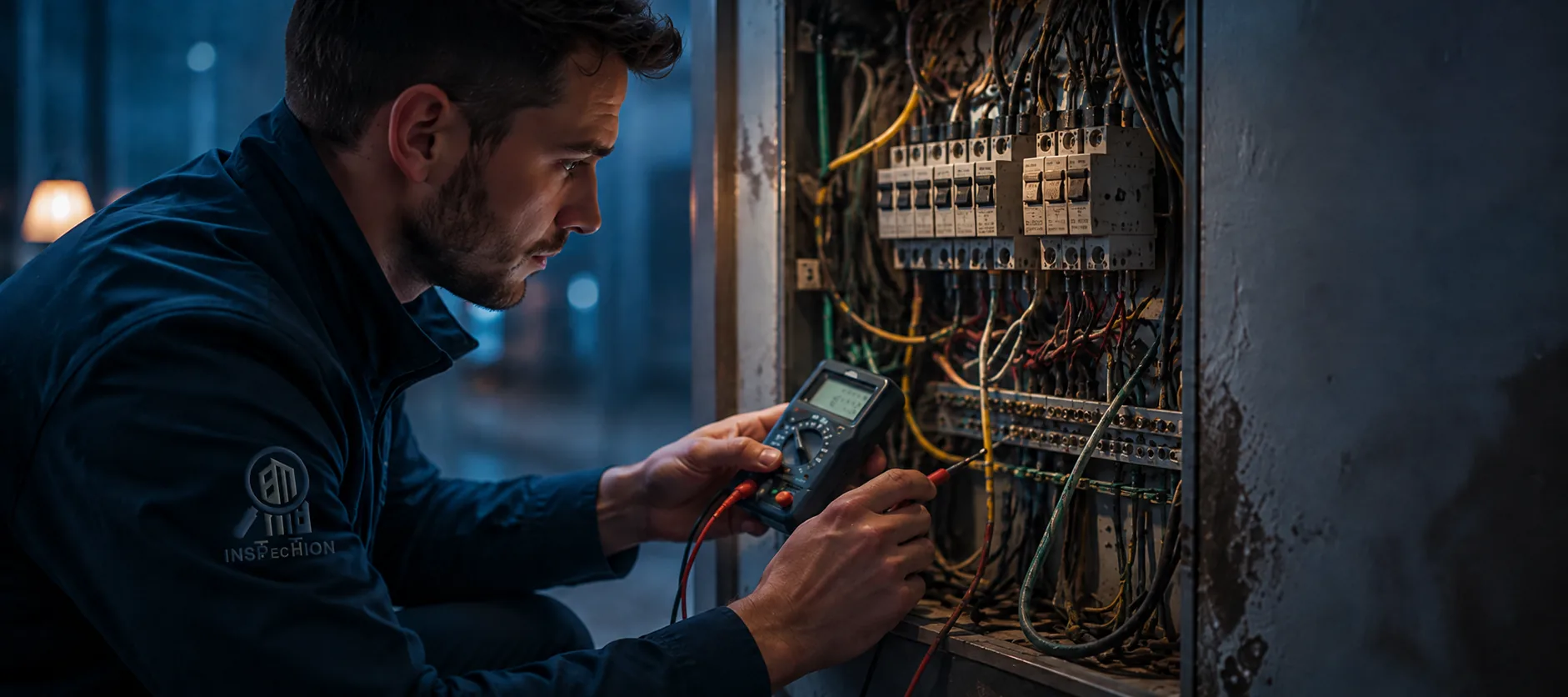
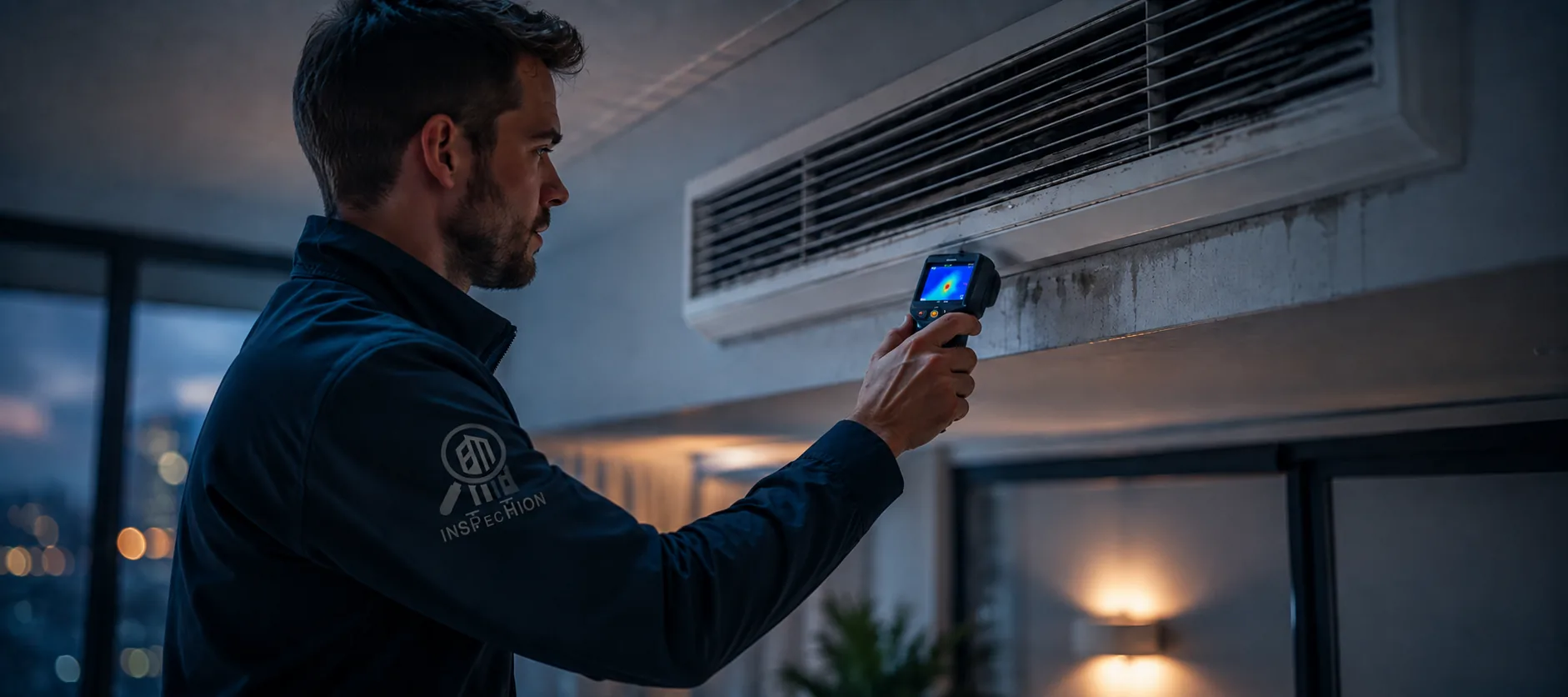
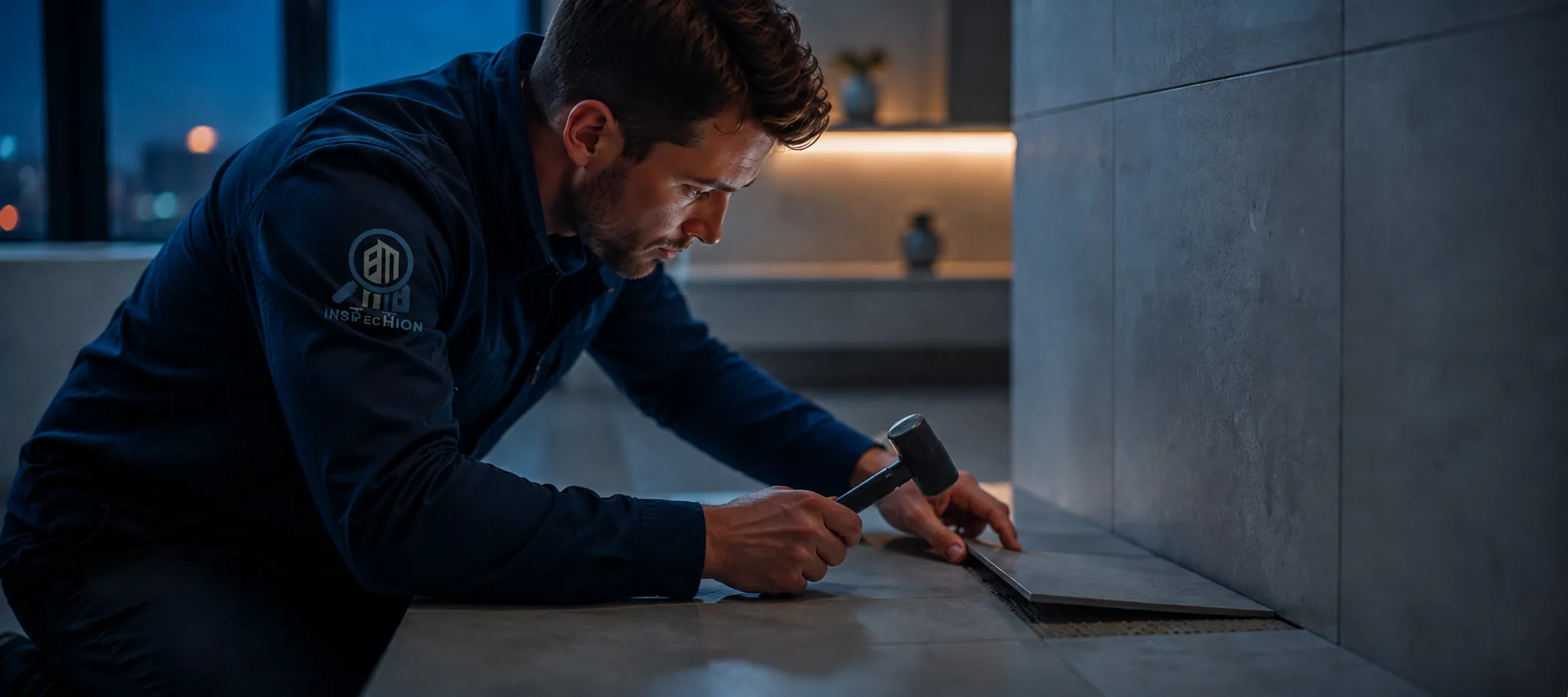

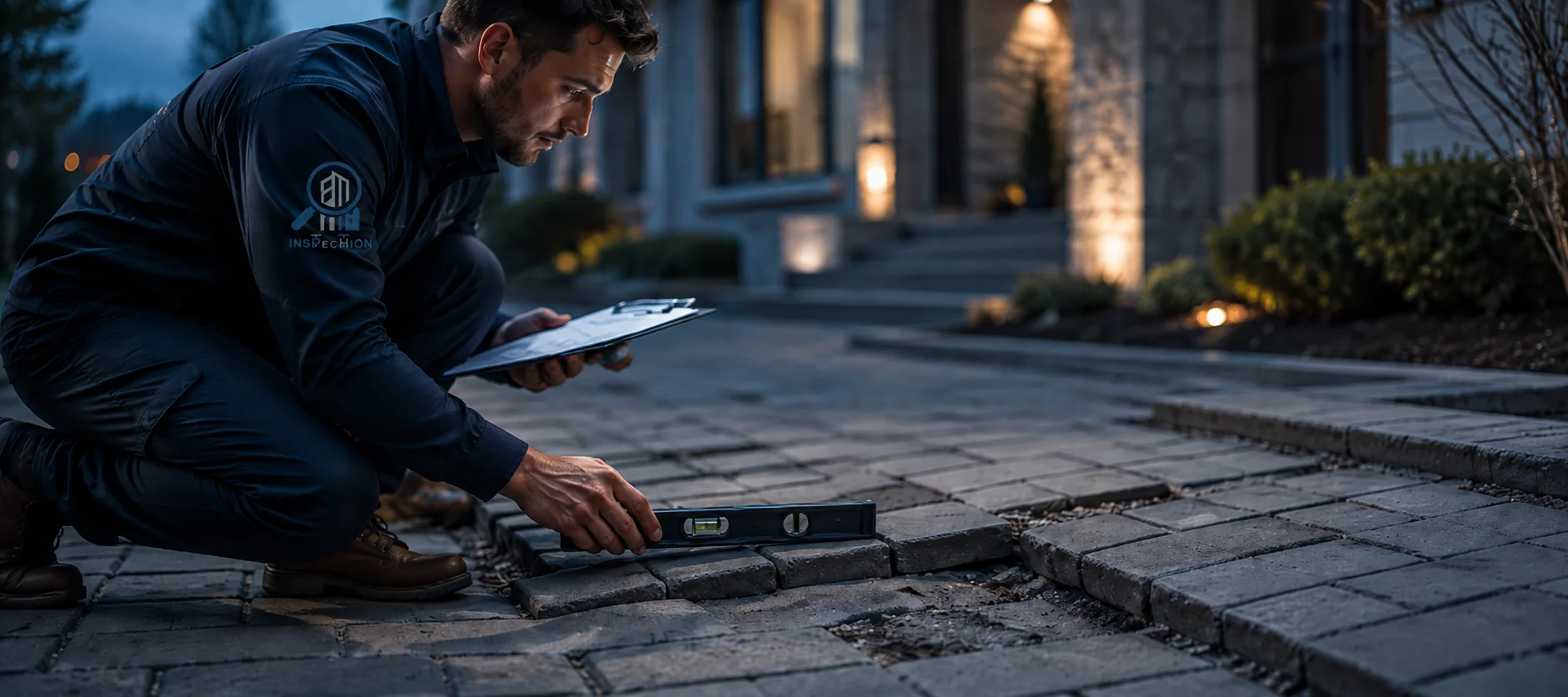
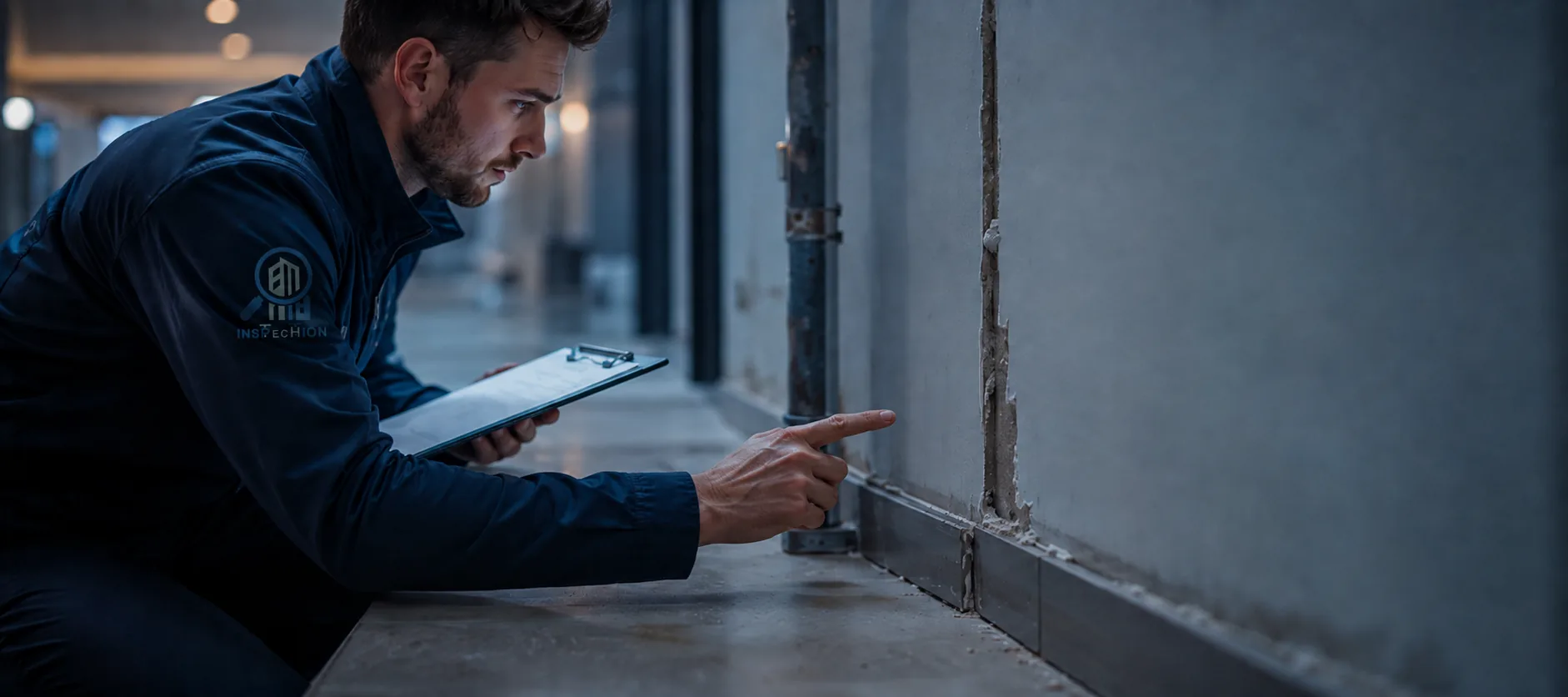
We perform a detailed inspection covering all interior living spaces and external structural boundaries.
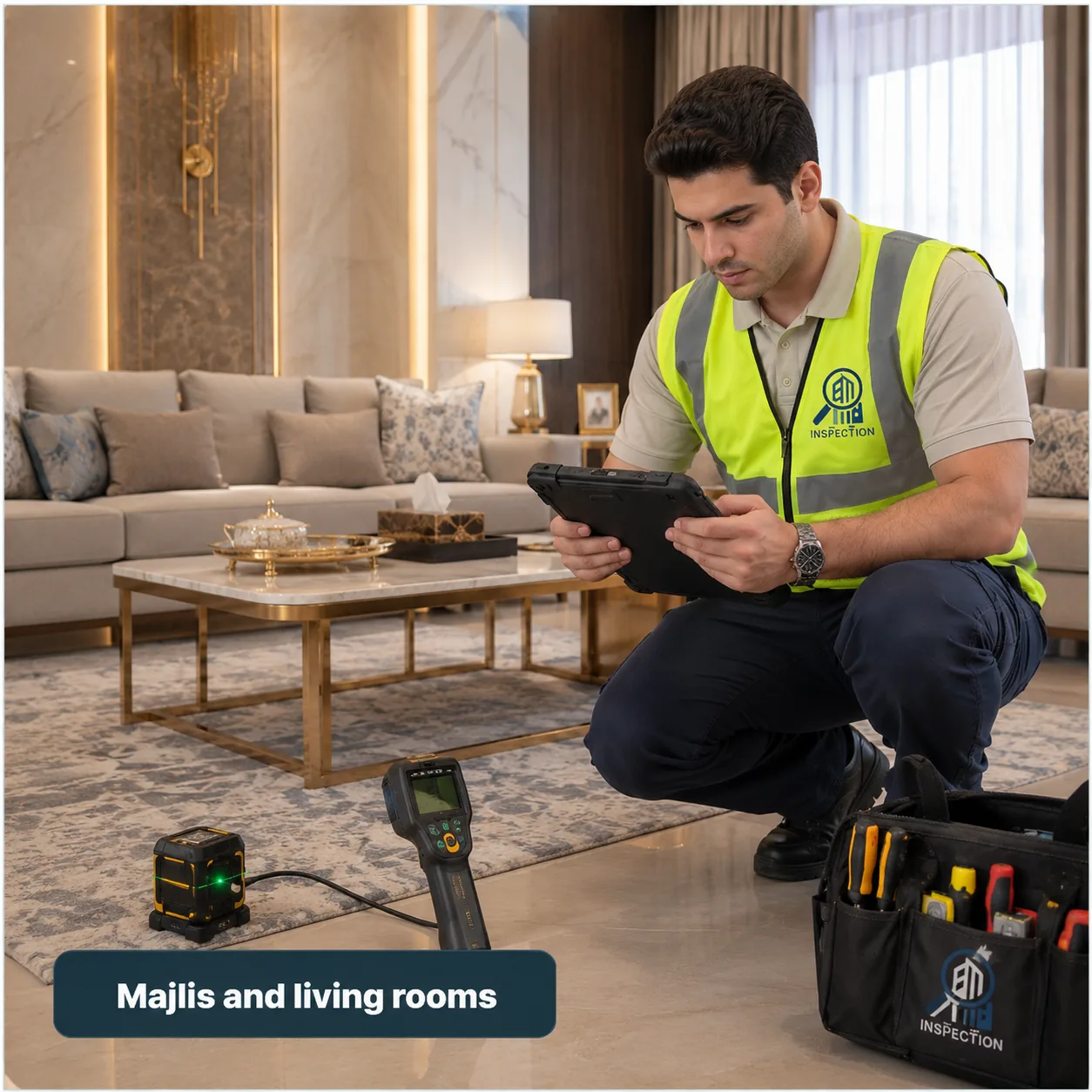
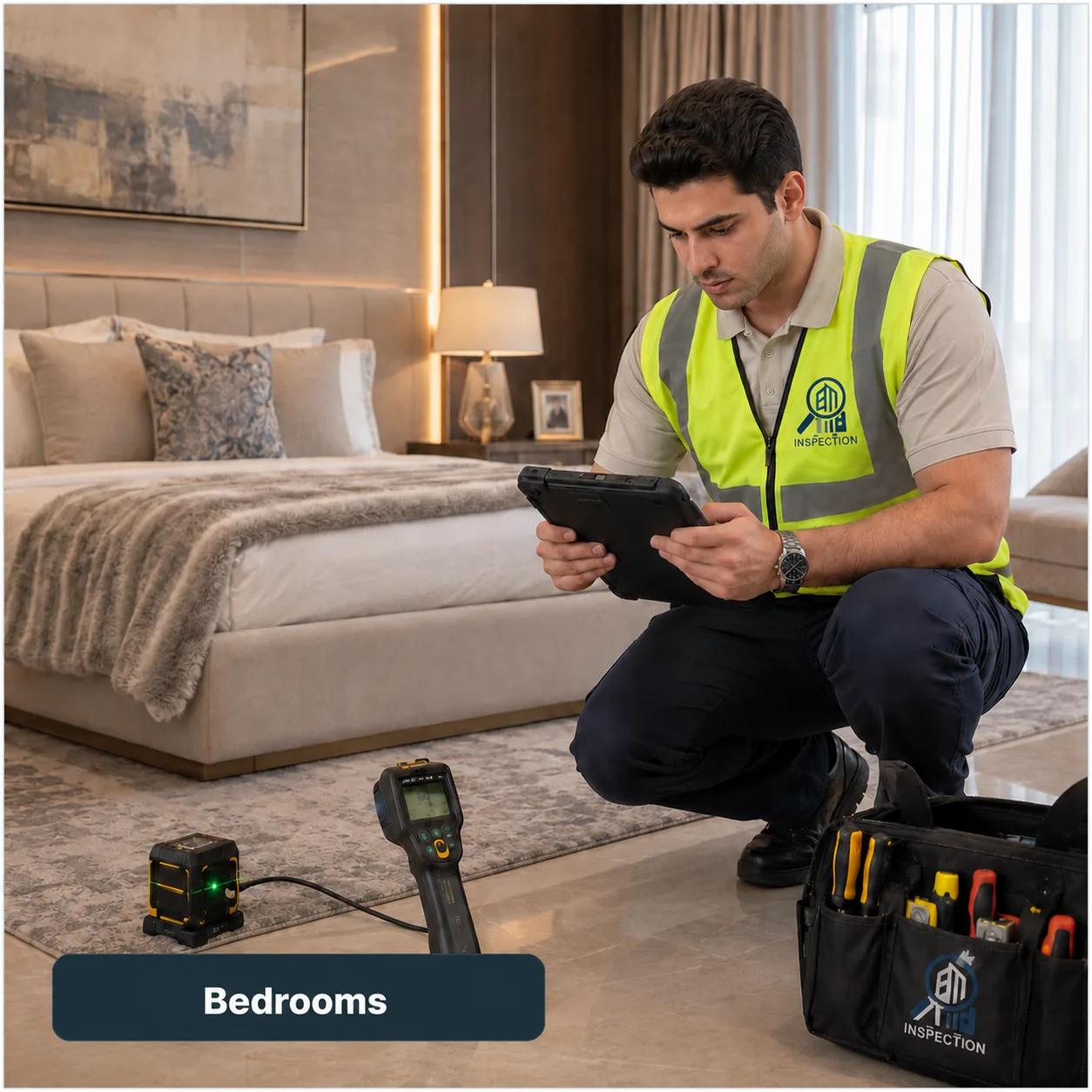
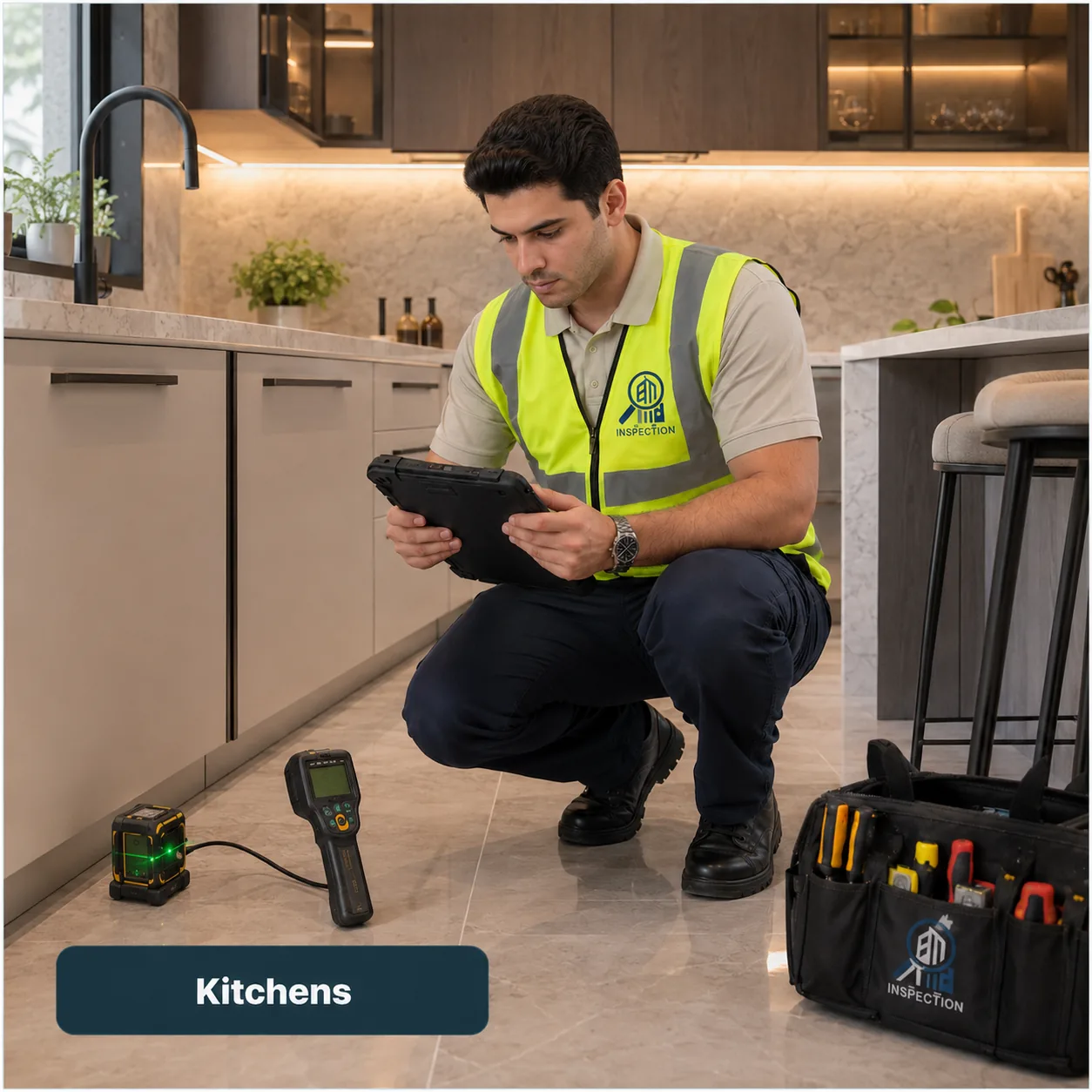
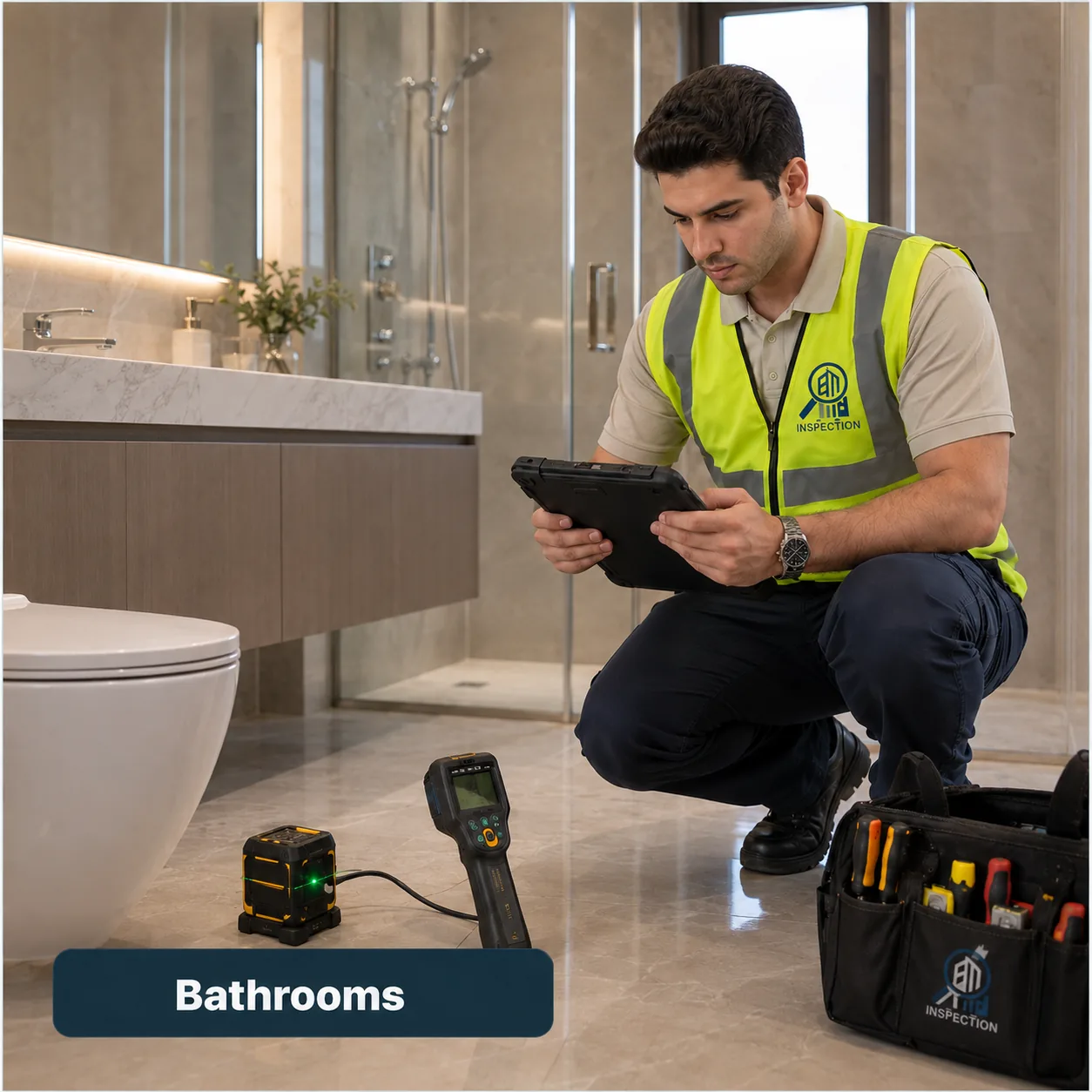
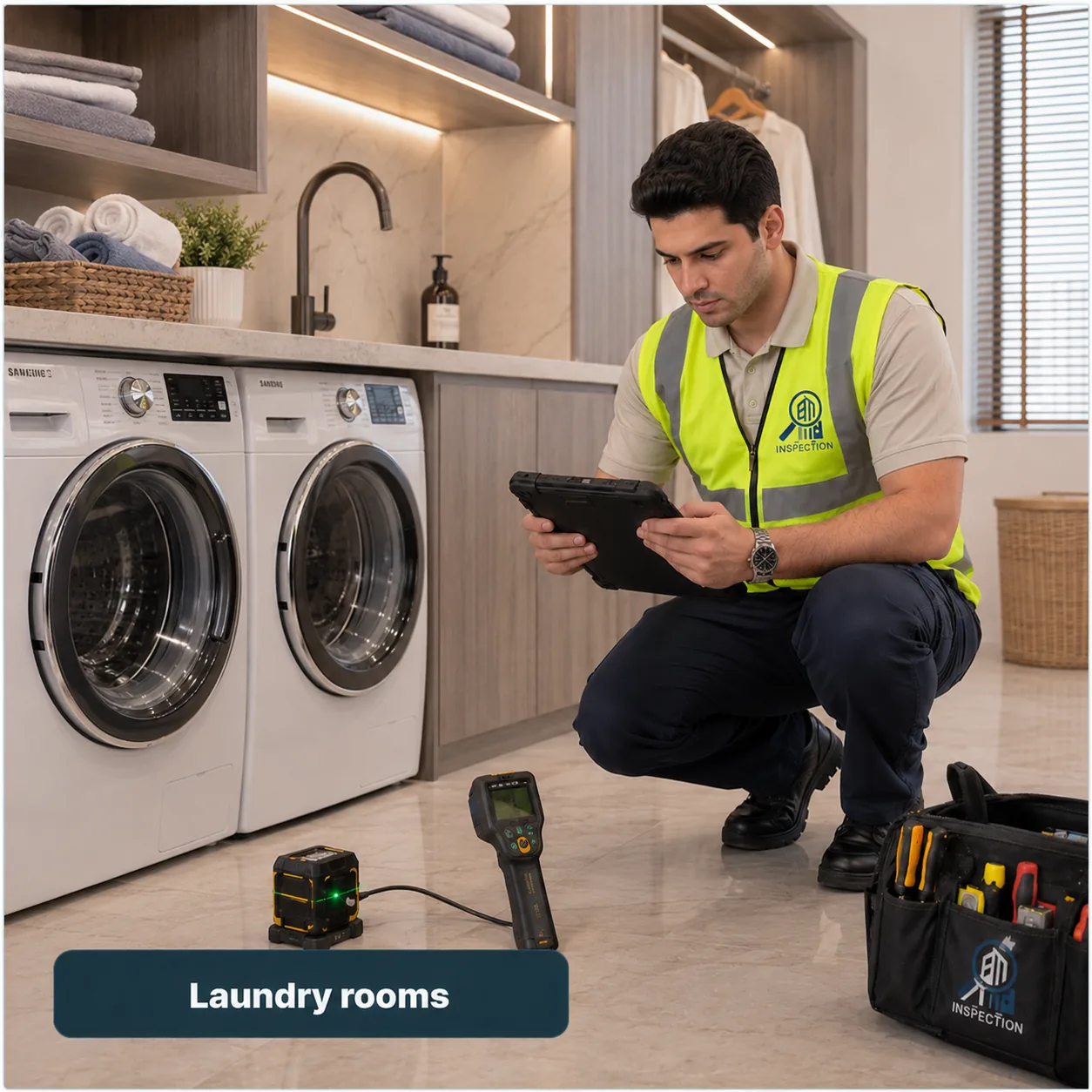
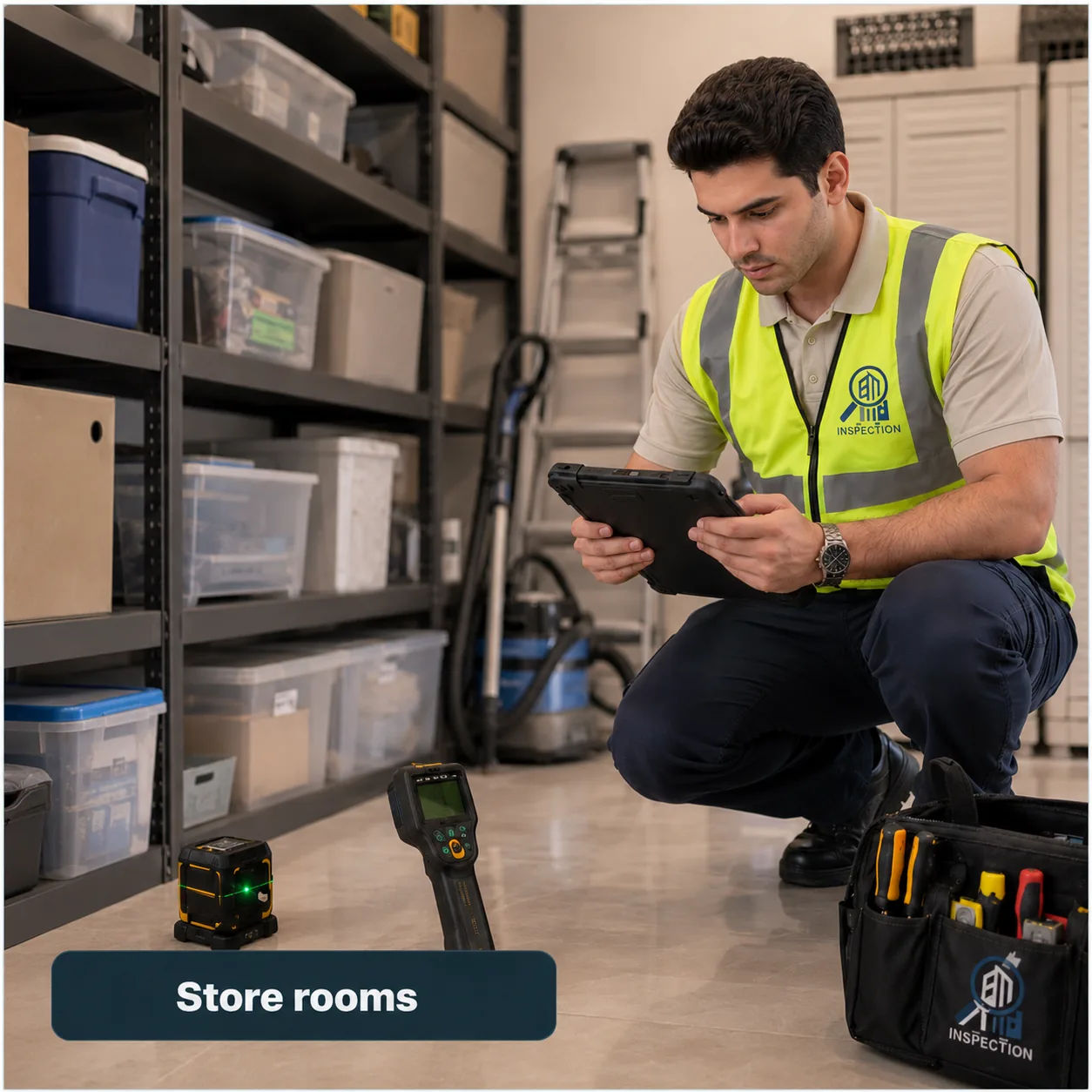
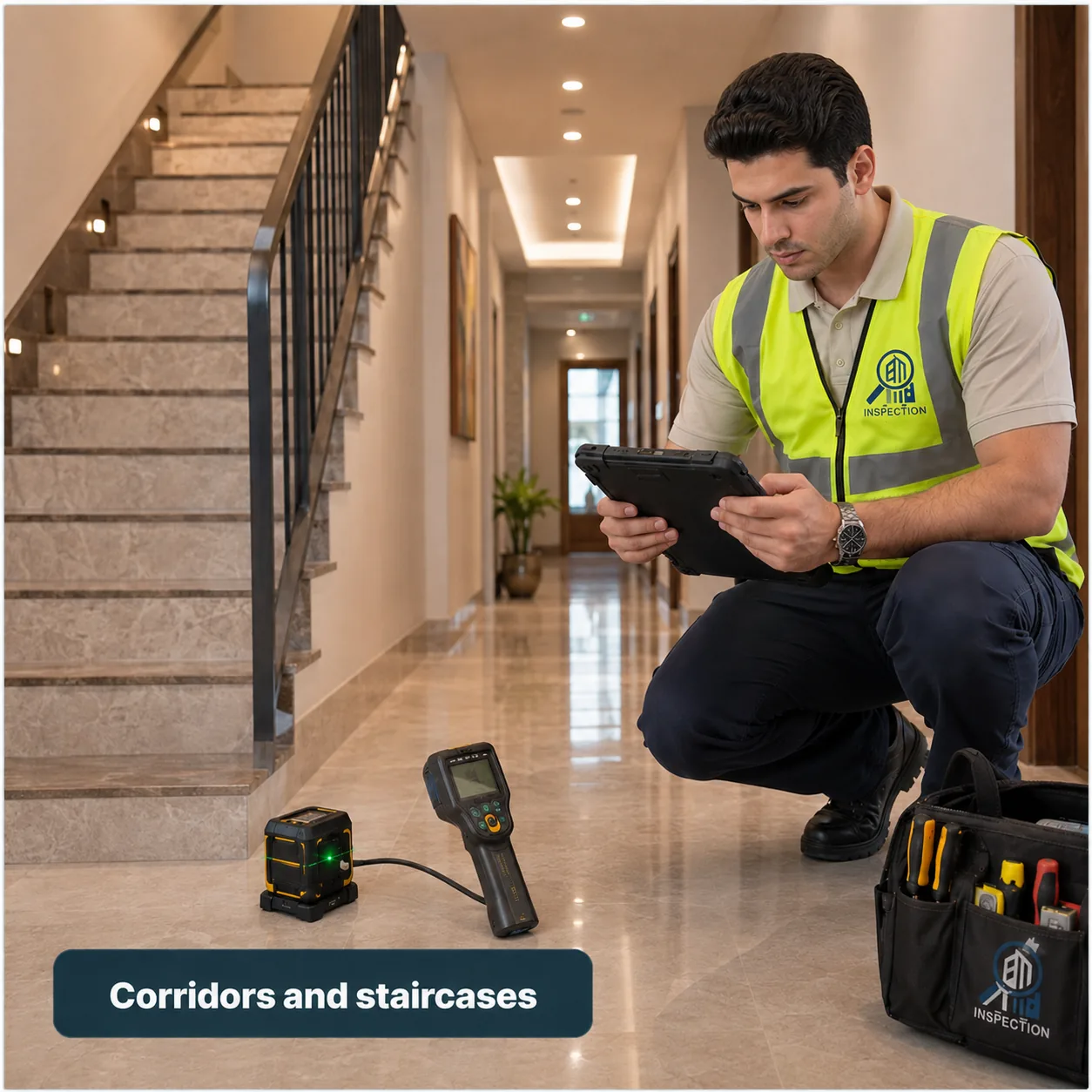
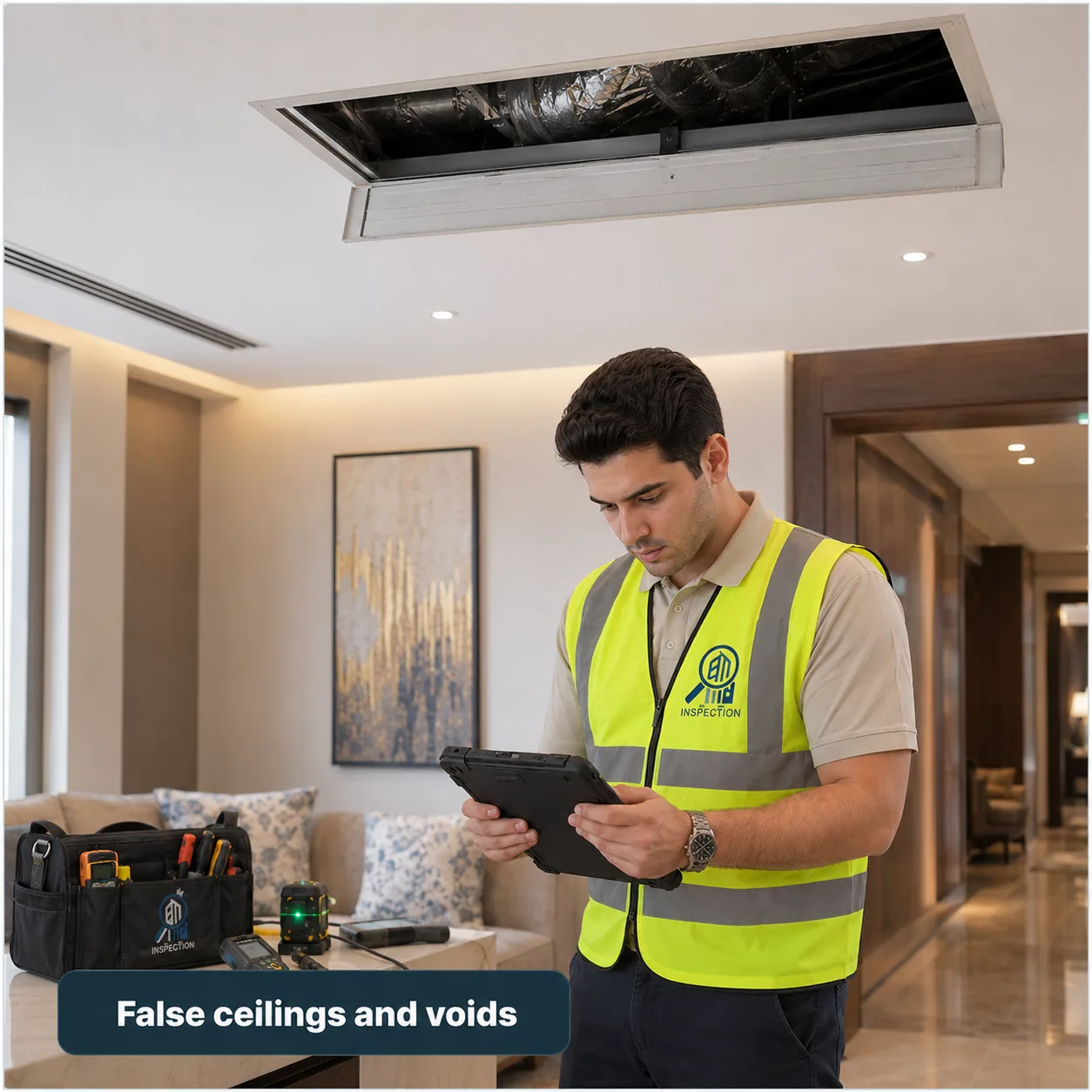
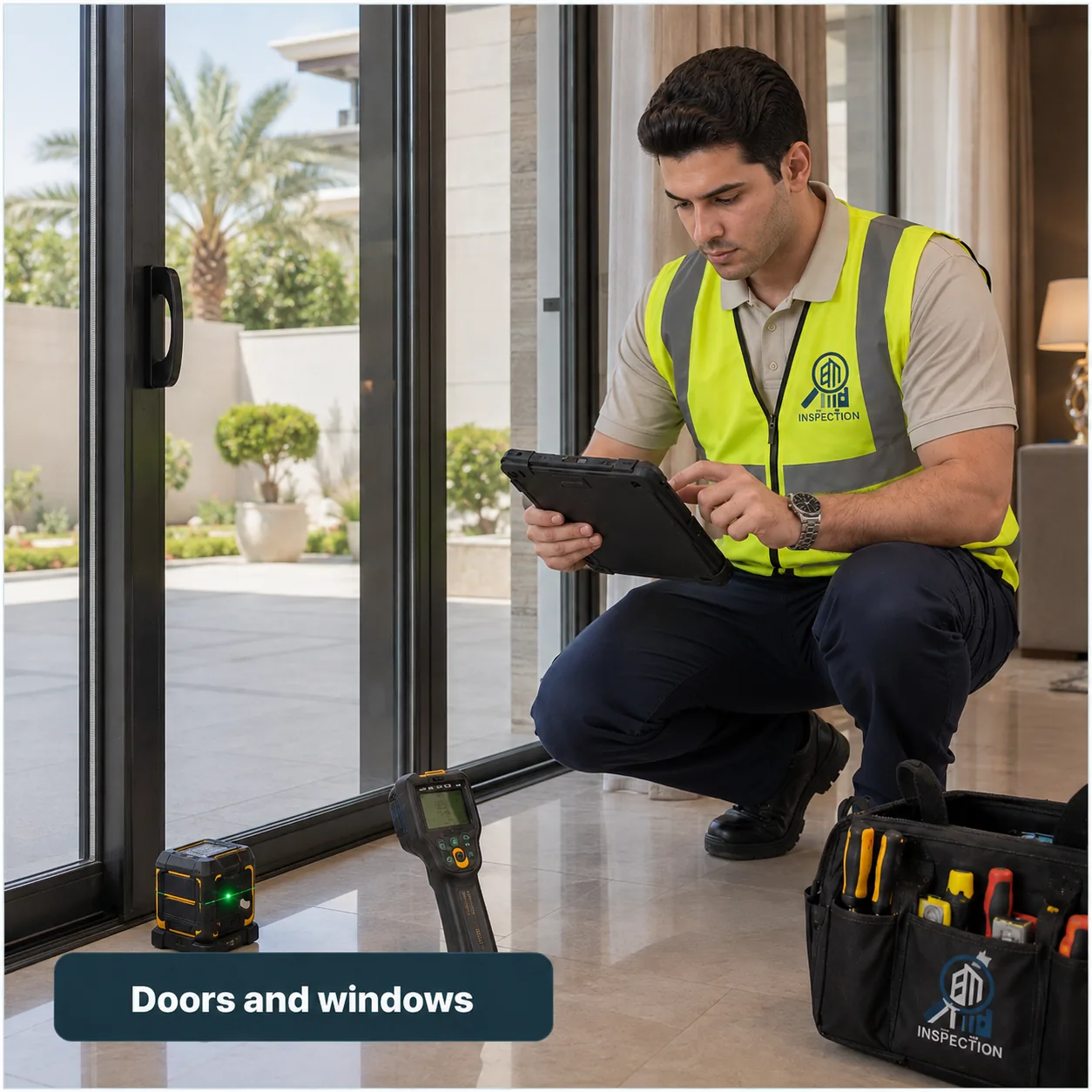
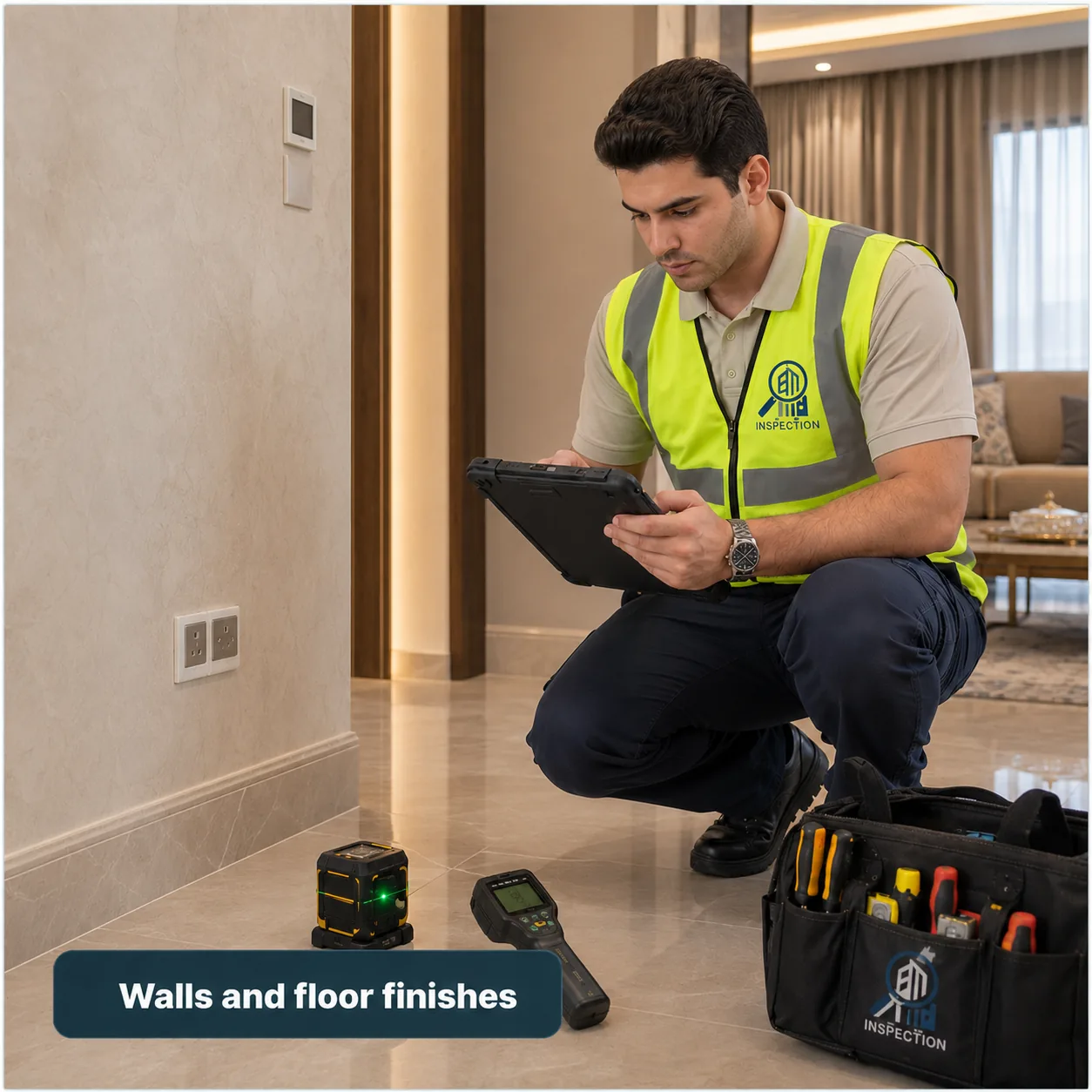
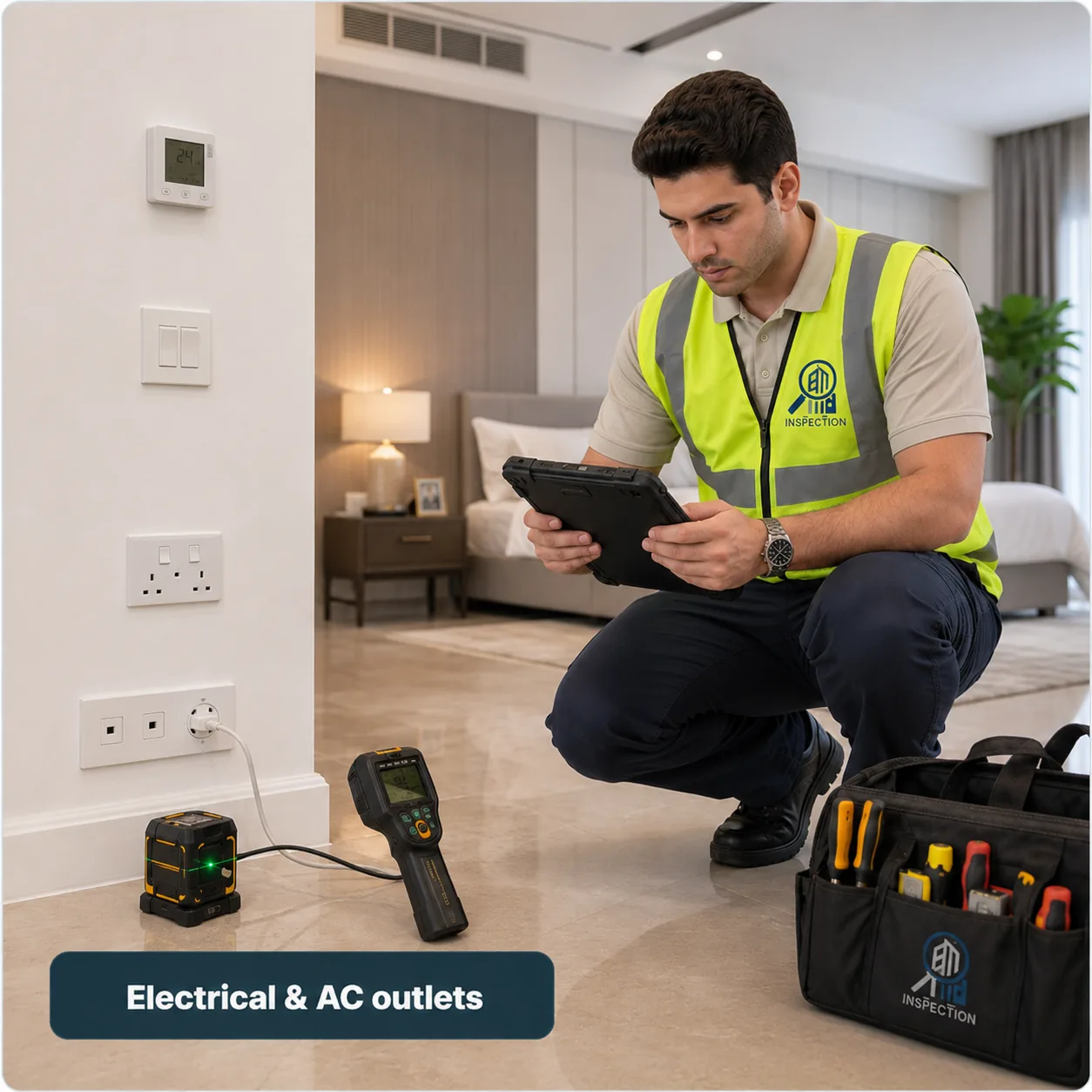
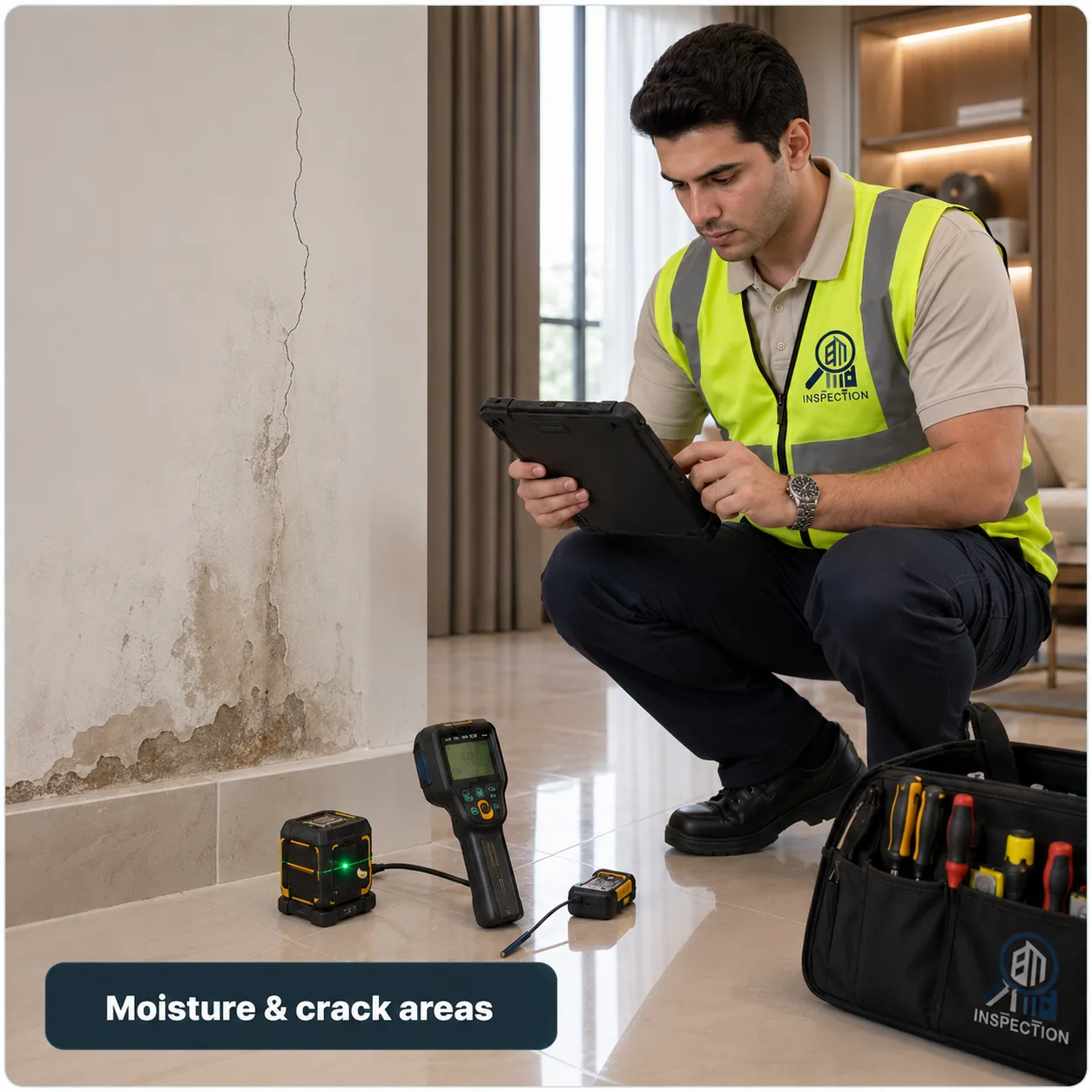
We select diagnostic devices based on client requirements and site observations. Remember, equipment supports—but does not replace—the engineers expertise and analysis.
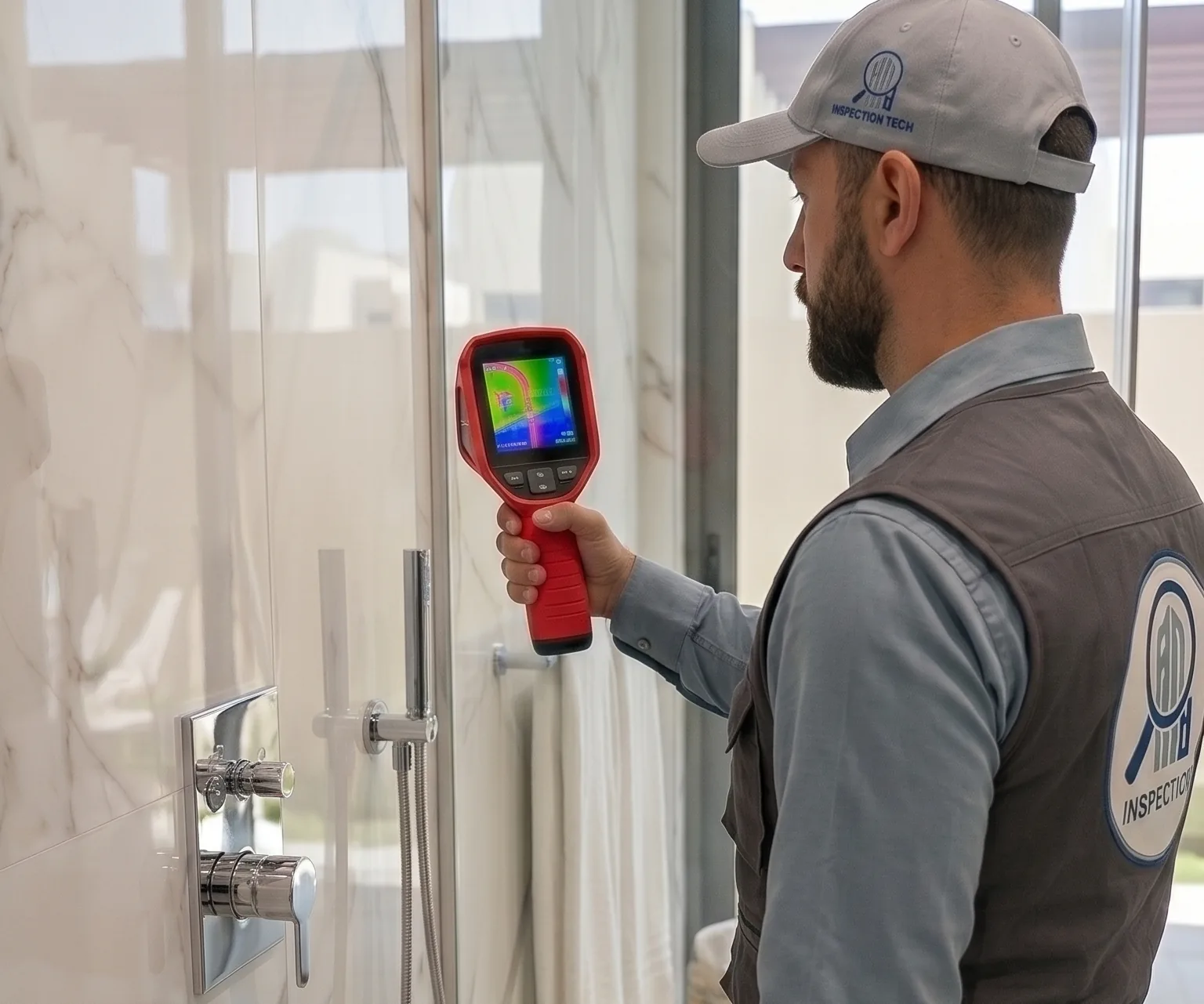 Thermal & Water
Detects temperature variations linked to hidden moisture, active water leaks, heat leakage, or insulation gaps.
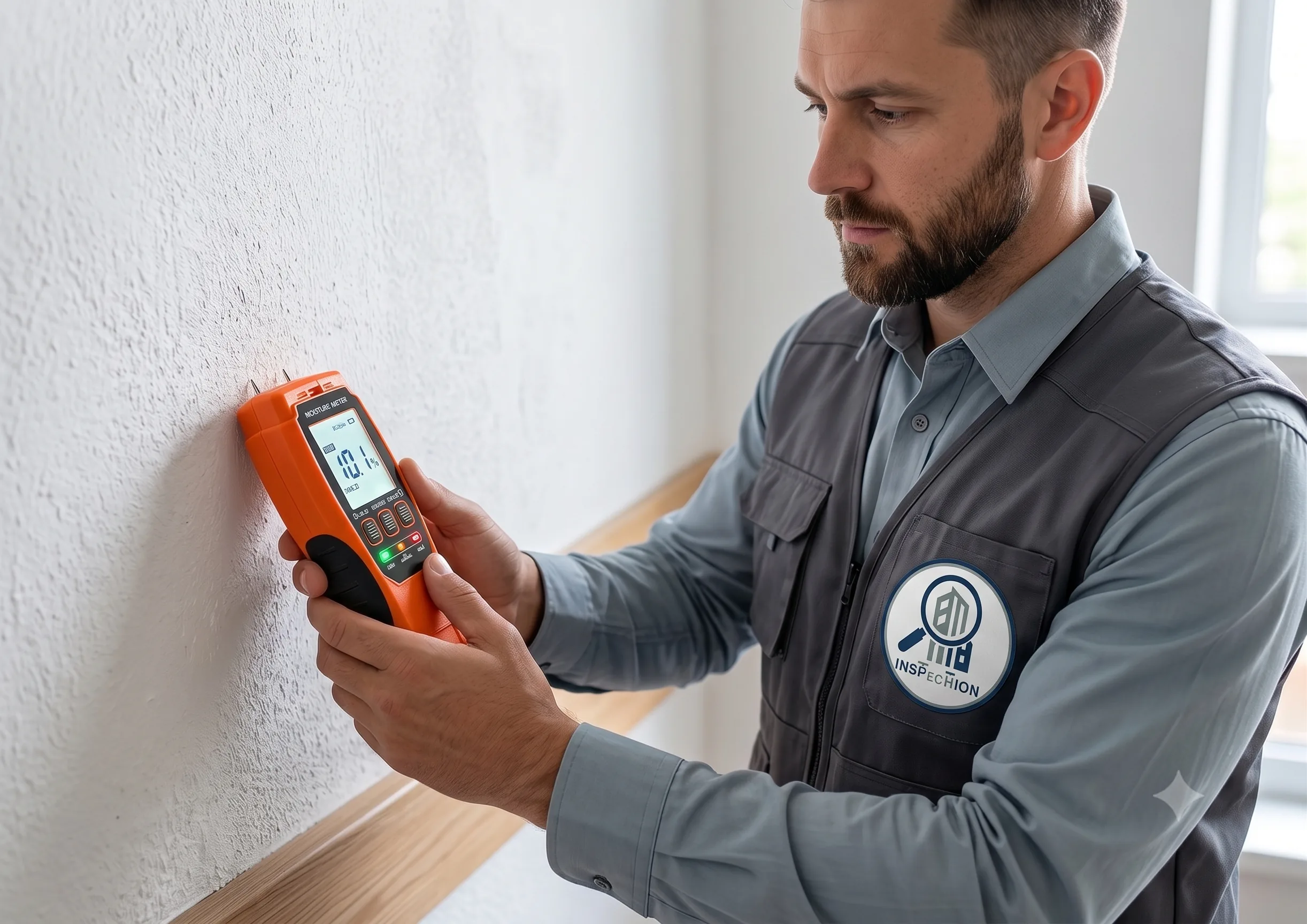 Dampness
Measures relative moisture values in walls, ceilings, and floors to locate damp zones and compare them against dry areas.
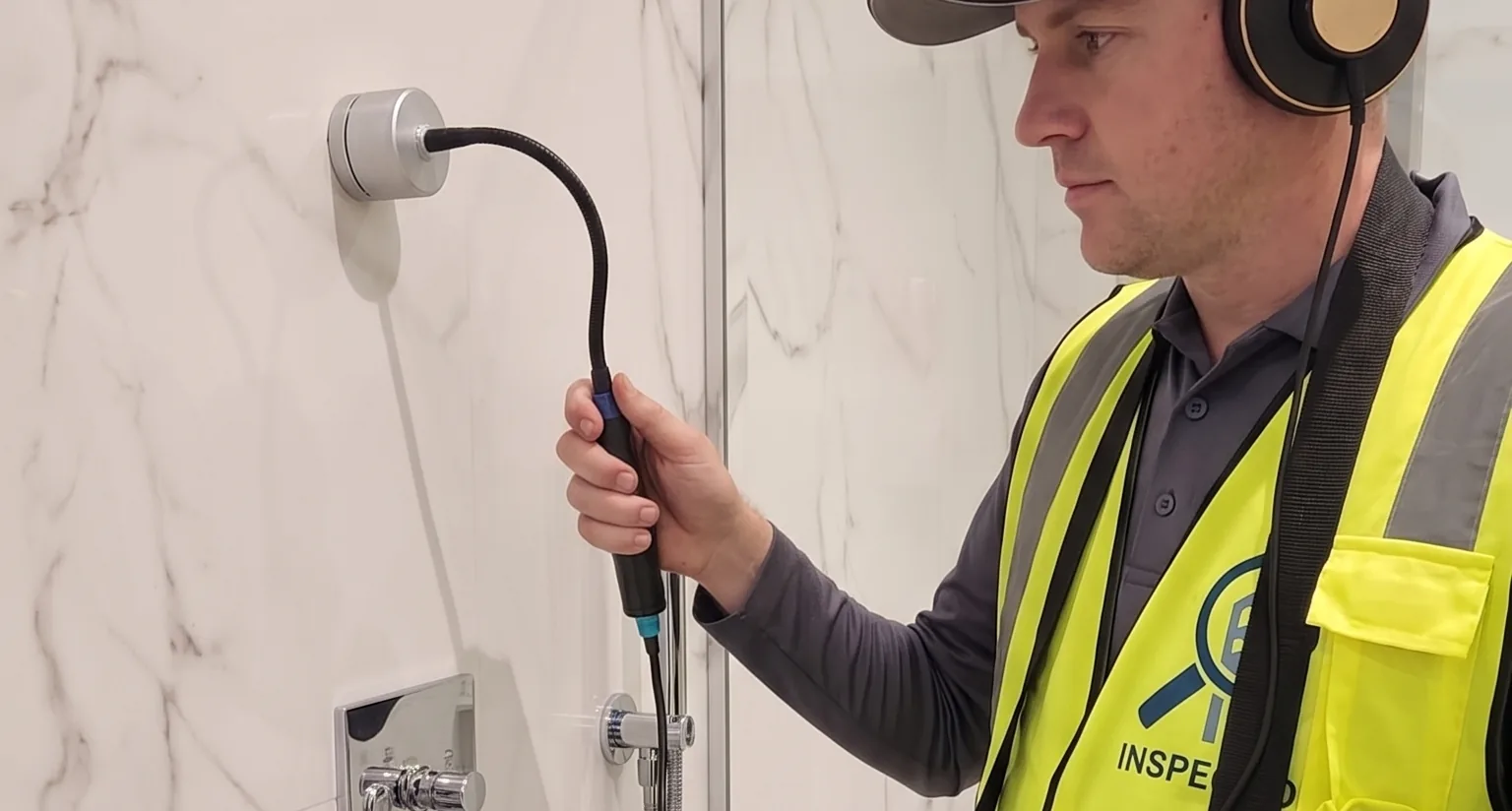 Water Lines
Listens for subterranean acoustic vibrations caused by pressurized water line leaks under suitable operating conditions.
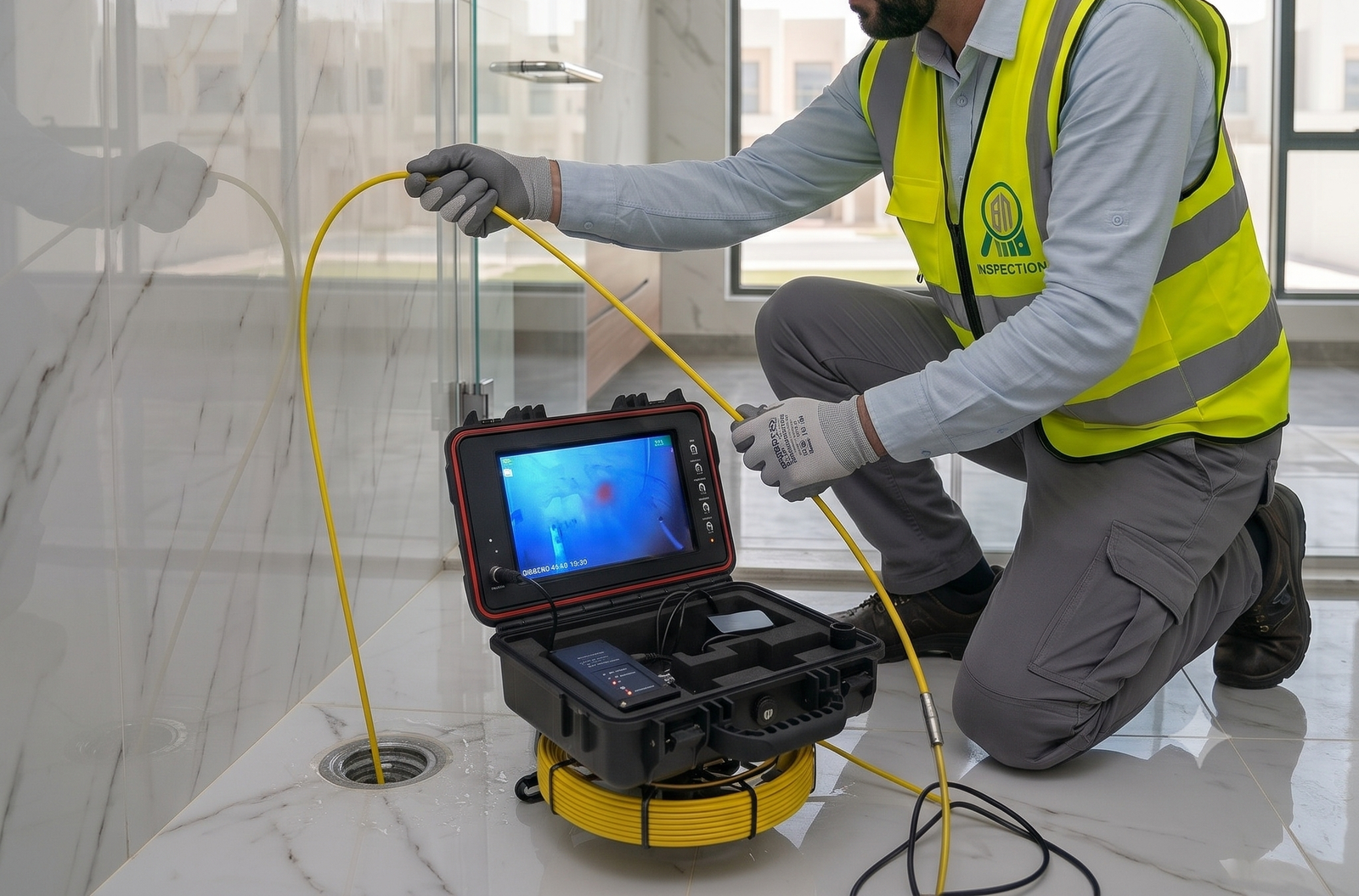 Drainage
Inspects internal sewer and drainage lines to spot structural defects or blockages inside pipes of matching diameters.
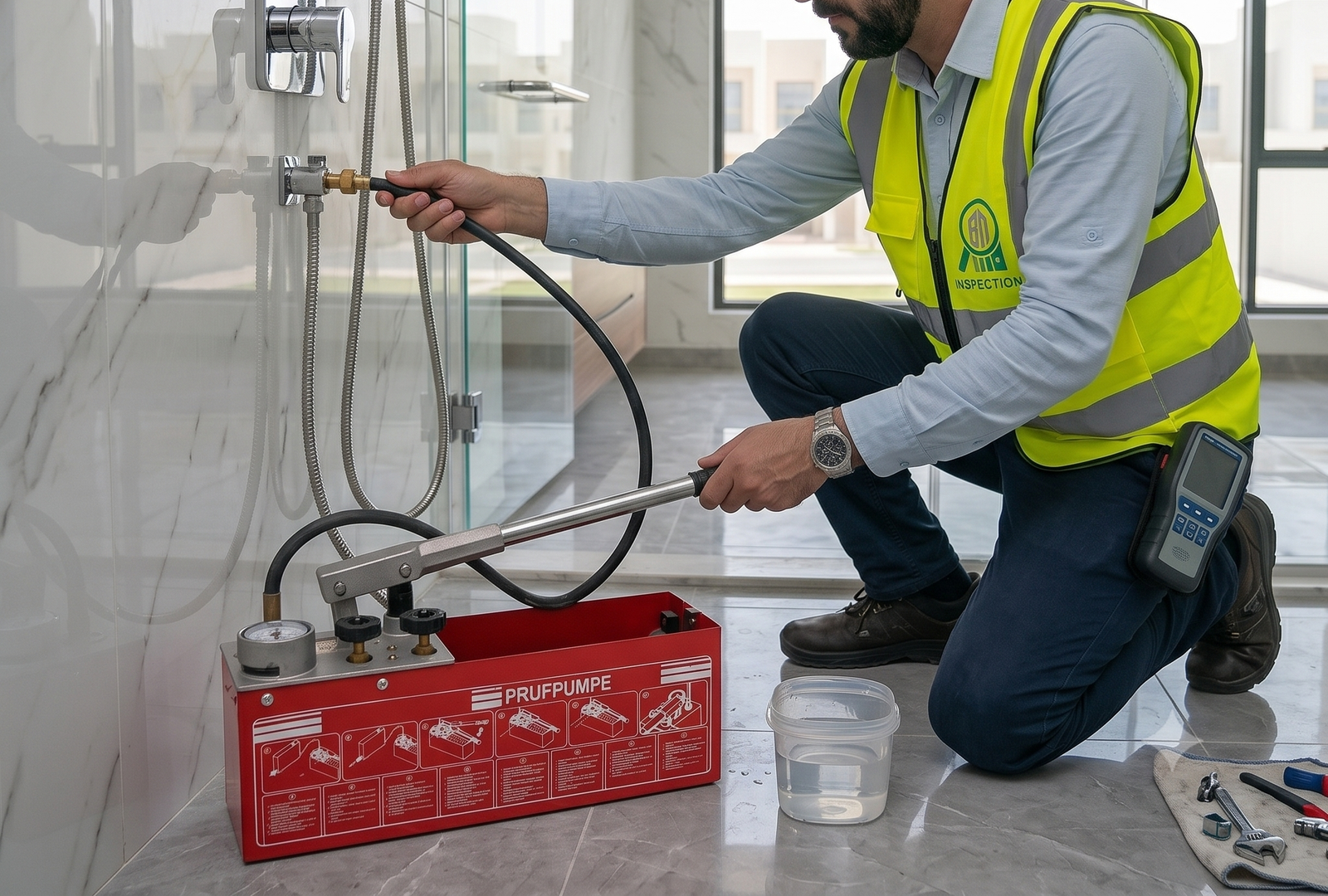 Pipes Pressure
Verifies water network pressure holding capacity to identify active drops and confirm plumbing system tightness.
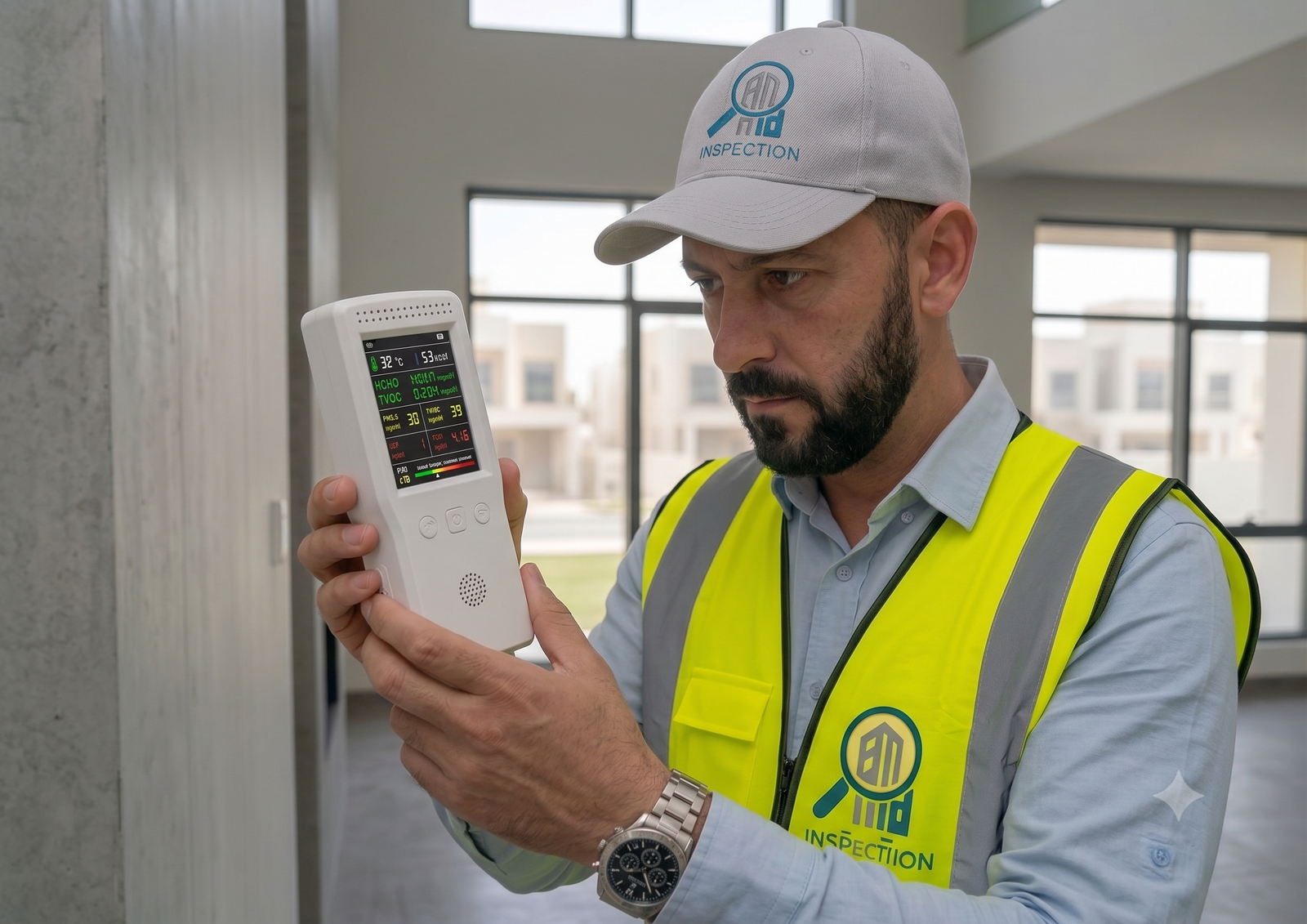 Environmental
Assesses key indoor environmental factors and particulate levels depending on specific inspection scope guidelines.
Our systematic engineering process ensures maximum accuracy and clarity from request to report.
We collect crucial properties details from you to establish requirements, including:
We determine the appropriate inspection level, toolkit needed, expected onsite hours, and provide a clear pricing proposal.
Our certified engineers visit the location, perform the visual and diagnostic checks, and document all engineering findings.
We study site readings, photos, structural designs, and diagnostic values to analyze the root cause of any discrepancies.
We provide an easy-to-read, engineering report that details:
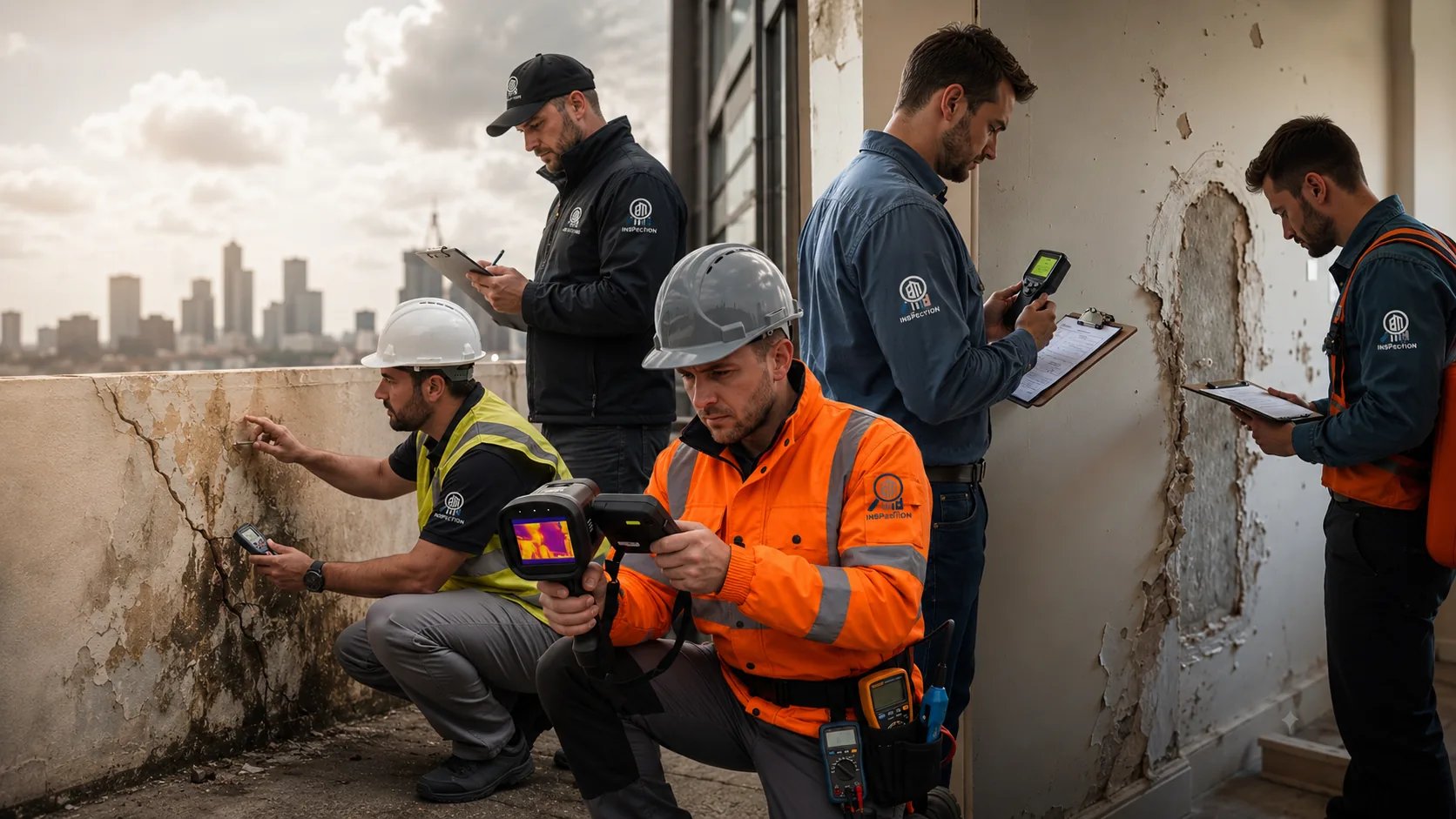
Our certified inspection engineers combine physical testing with years of engineering experience.
An inspection with us delivers comprehensive value, helping protect your assets and supporting your negotiations.